A Preschool in San Antonio de Sonomoro
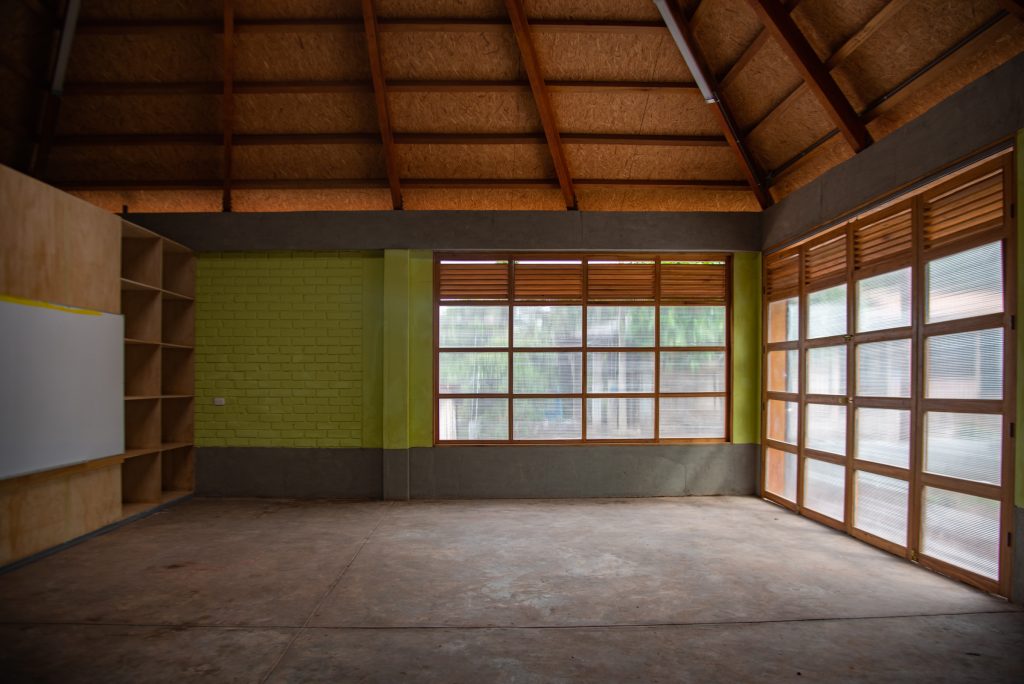
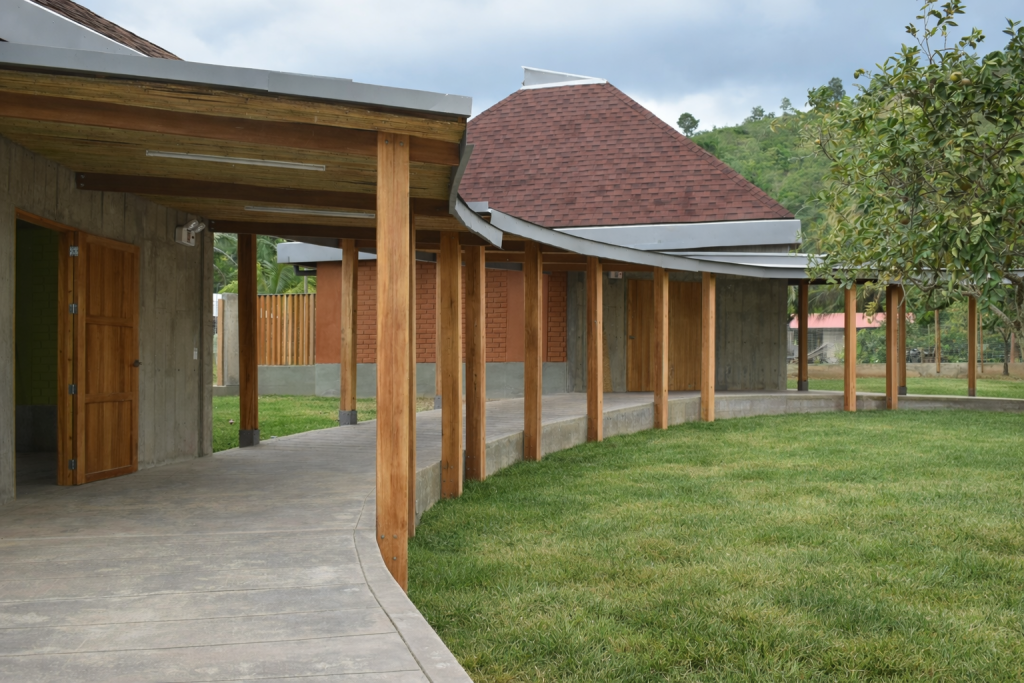
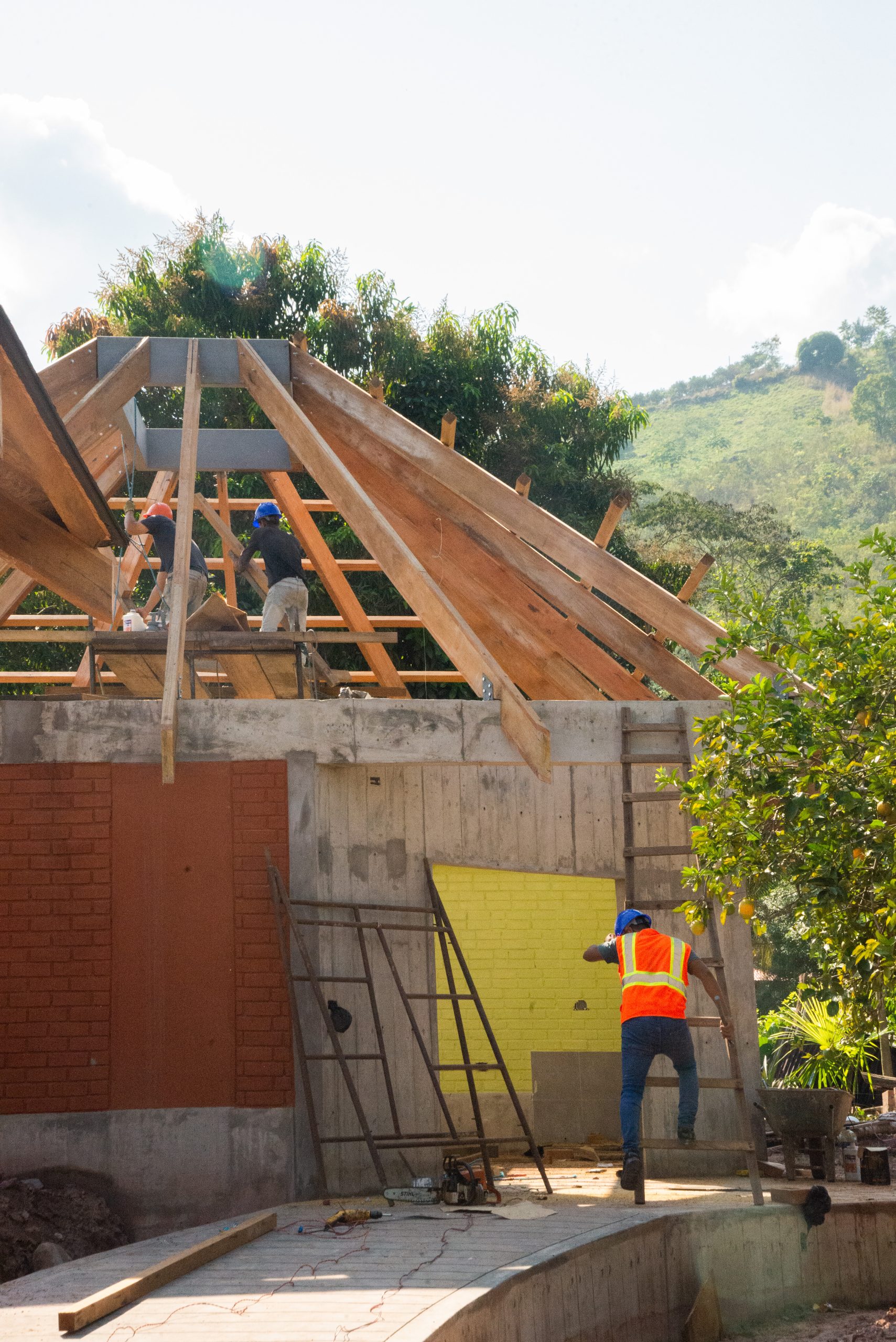
This project consists of the construction of a new preschool in the indigenous community of San Antonio de Sonomoro to replace the dilapidated preschool. It was designed and built with the extensive participation of the community. The new building serves the sixty eight children plus the staff.
Context
The elementary school of the municipality of San Antonio de Sonomoro is located in Pangoa, on the south-eastern edge of Junín. San Antonio de Sonomoro is a rural community of the indigenous Nomatsiguenga group, which has its traditional settlement area in the rainforests of the Amazon.
The region is part of the geopolitical zone known as VRAEM (Valle de los Ríos Apurimac, Ene y Mantaro, translated: Valley of the Apurimac, Ene and Mantaro Rivers). Between 1980 and 2000, the region was the scene of various armed conflicts with numerous victims of police violence on the part of the indigenous people and the settlers, which forced many inhabitants to relocate. The remaining parts of the indigenous community are now struggling with extreme poverty and poor infrastructure. Rural areas are underserved in terms of access to health services and education due to the poor road conditions.
By law, children in Peru go to preschool from the age of 3. One such state school was built in the traditional manner in 2012 by the community itself as a temporary structure using scrap wood. However, the school did not meet Peruvian building safety standards and was dilapidated. The children and teachers were not protected in the case of earthquakes and flooding.
At the start of the project there were 68 children aged three to six attending the preschool.
The school had a roof made partly of sheet metal and partly of palm leaves. The construction of the building could not withstand the weather conditions, especially in the rainy season. The rain penetrated the school, causing mold growth and health problems for the children and teachers. The furniture was inadequate and run-down for a learning environment. There was a lack of adequate sanitary facilities and a safe cooking area. The parents, who are responsible for cooking the school meals, are exposed to an enormous amount of smoke in the closed room and germs. There is also no space for eating together and other activities.
Knowledge transfer suffered enormously under the conditions. Due to the poor conditions, students often stayed away from class.Teachers also suffered from demotivation. There was no staff room in the building. This meant that it was difficult for teachers to discuss, prepare lessons and complete administrative tasks. There was also no storage space for school materials.